Must Know Remittance Tips
Get the latest insights on exchange rates, fees, and the smartest ways to send money abroad.

Cheapest Way to Send Money to Pakistan from Korea 2026
Stop overpaying banks ₩25,000 per transfer. Learn the cheapest ways to send money to Pakistan from Korea in 2026. Compare JazzCash, Easypaisa, and bank transfers.
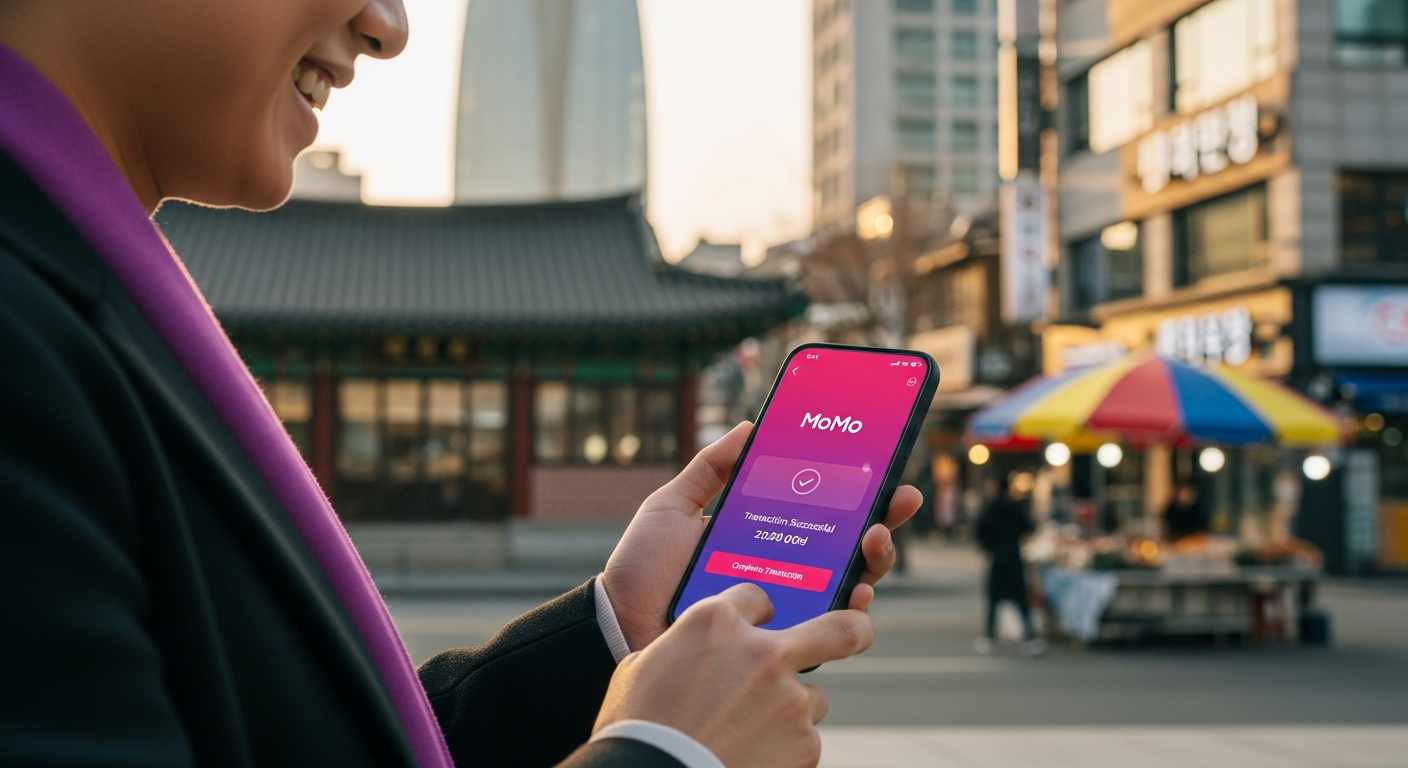
한국에서 베트남 MoMo로 송금하기: 완벽 가이드
한국에서 베트남 MoMo 송금 서비스 비교. 가장 저렴한 수수료와 빠른 배송 찾기. 베트남 근로자 이체당 ₩10,000-20,000 절약.
한국에서 인도로 송금하기: 가장 저렴한 방법 2026
한국에서 인도로 송금하는 가장 저렴한 방법을 찾으세요. 지머니트랜스, 한패스, E9Pay 등 7개 서비스 수수료와 INR 환율 비교. 인도 근로자들 이체당 ₩10,000-20,000 절약.

한국에서 스리랑카로 송금하기: 가장 저렴한 방법 2026
한국에서 스리랑카로 송금하는 가장 저렴한 방법을 찾으세요. Commercial Bank, BOC, Sampath Bank 이체 수수료 나란히 비교. 스리랑카 근로자들 이체당 ₩8,000-15,000 절약.
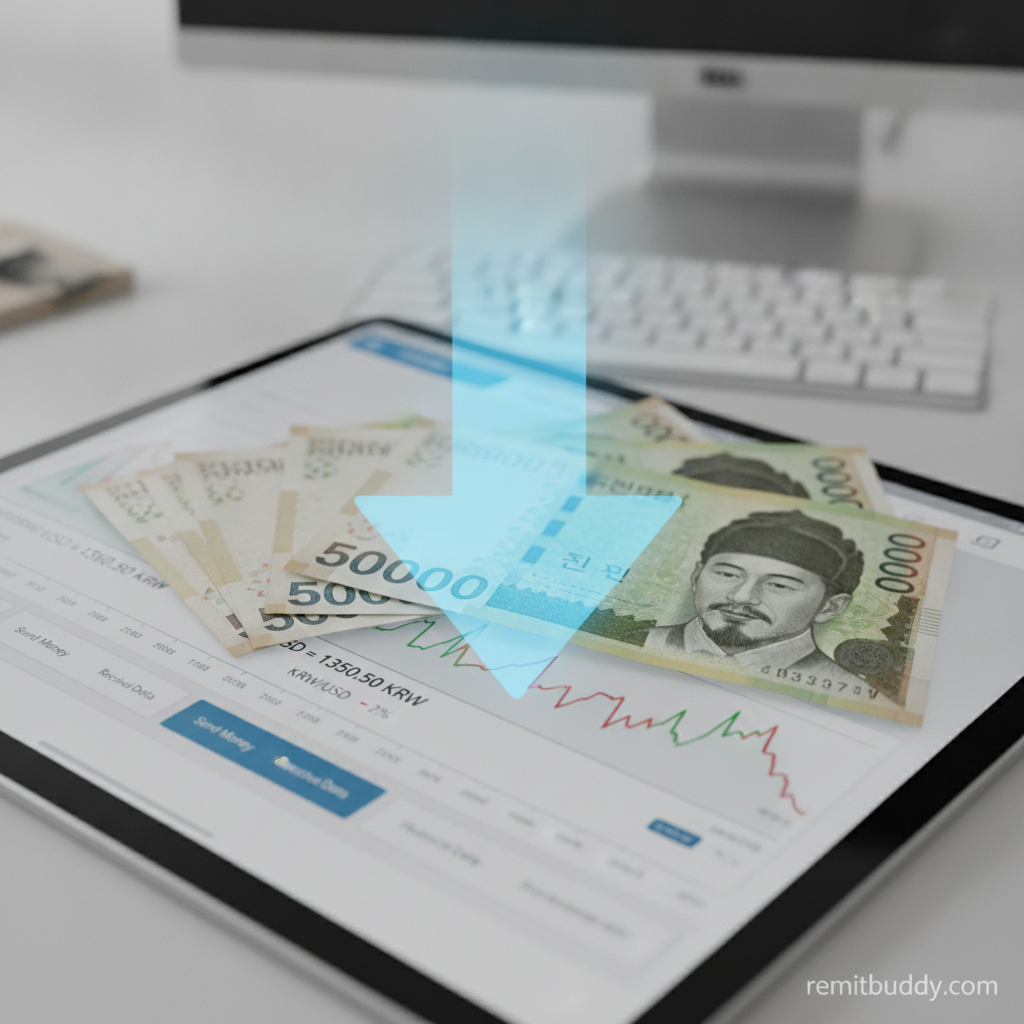
Dollar at 1519 Won: Your Family Gets LESS Money (Here's What to Do)
The weak won at 1519 per dollar is BAD news for sending money home. Your family receives less. Here's exactly how much you lose and what to do about it.
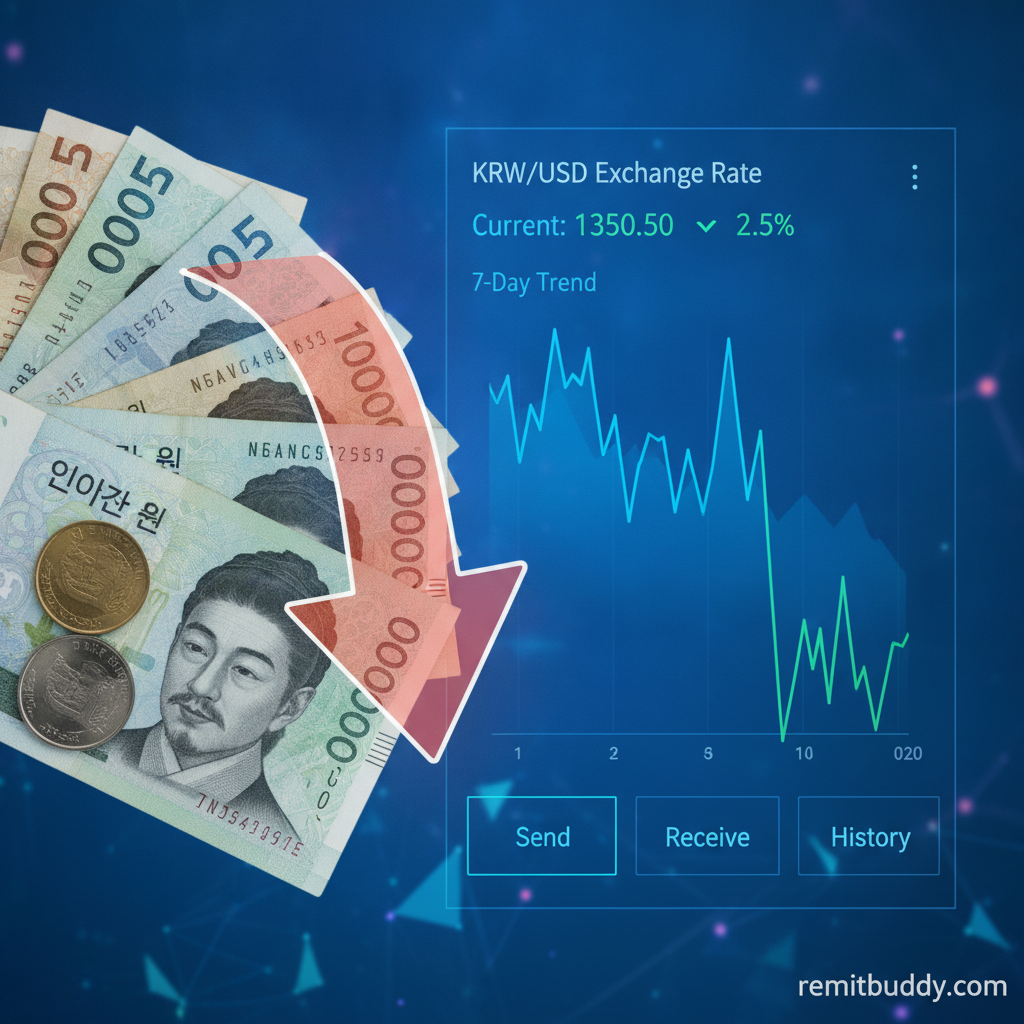
I Sent ₩1,000,000 in January vs June: My Family Got $83 Less
I sent the same ₩1,000,000 to my family in January and June. In June, they received $83 less. Here's what the weak won really means for your remittance.
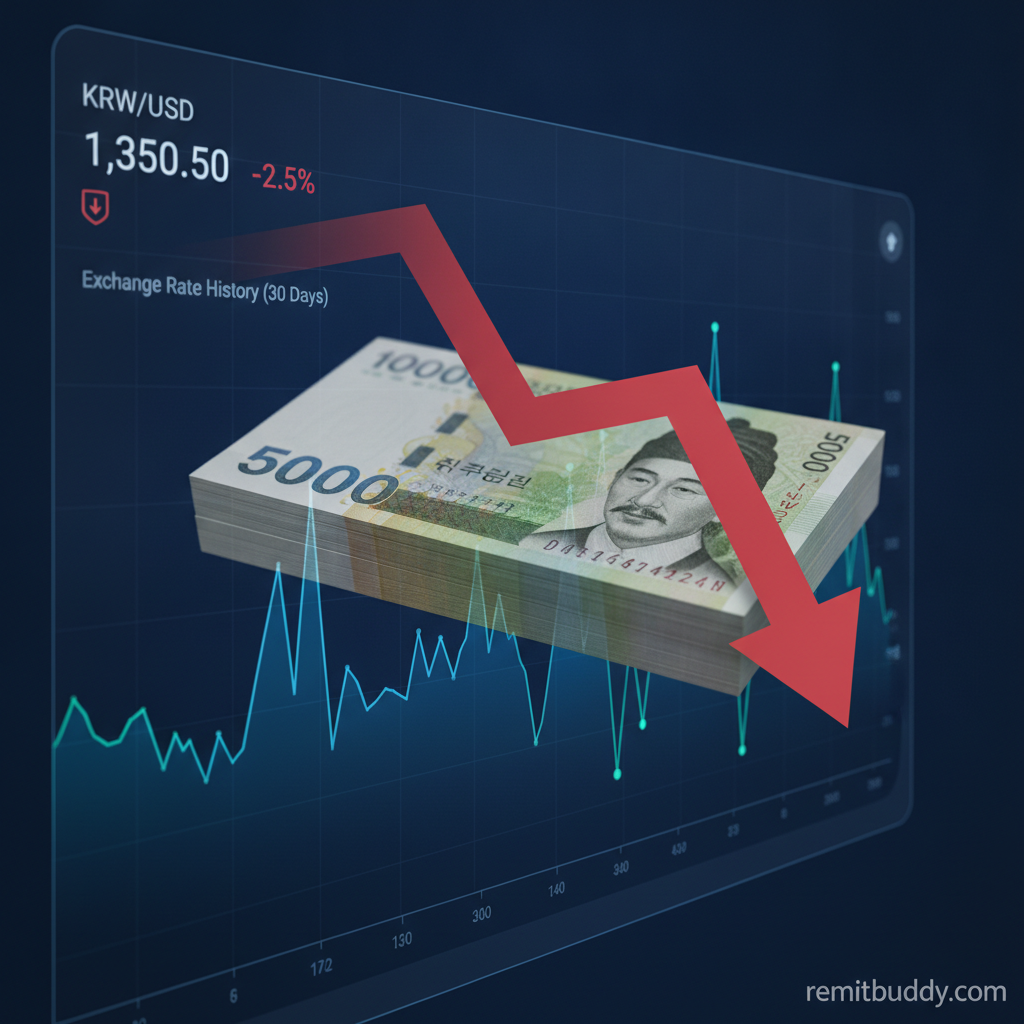
Weak Won at 1519: 5 Things E-9 Workers Should Do
The won is weak at 1519. Your family receives less money. Here are 5 practical things E-9 workers can do—realistic tips for factory workers, not office workers.
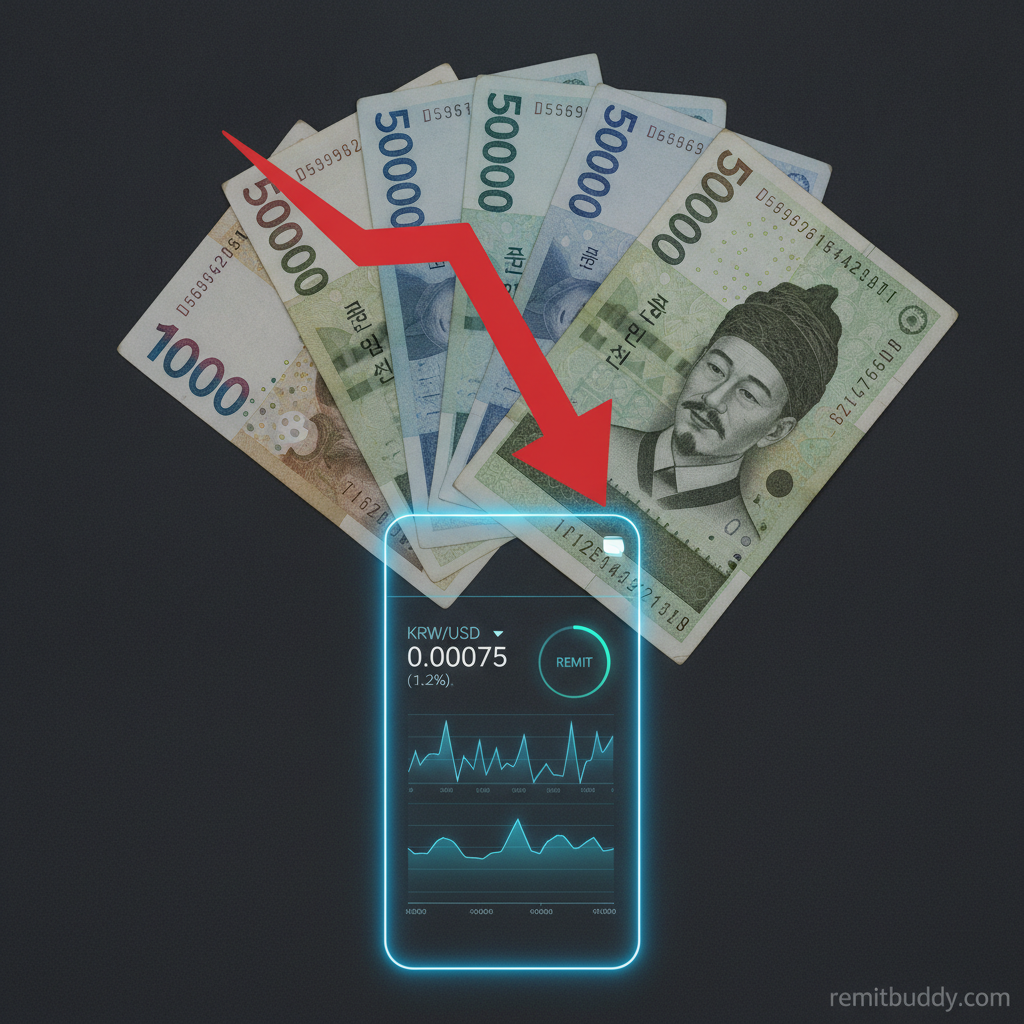
Weak Won at 1519: Which App Gives Best Rate Right Now?
With the dollar at 1519 won, choosing the right remittance app matters more. Here's which app gives the best rate for Vietnam, Philippines, Nepal, and more.

Nepal Workers: Weak Won Means 11,000 NPR LESS (What to Do)
The weak won at 1519 means Nepal workers' families receive 11,000 NPR LESS per ₩1,000,000 sent. Here's the real numbers and what to do before Dashain.
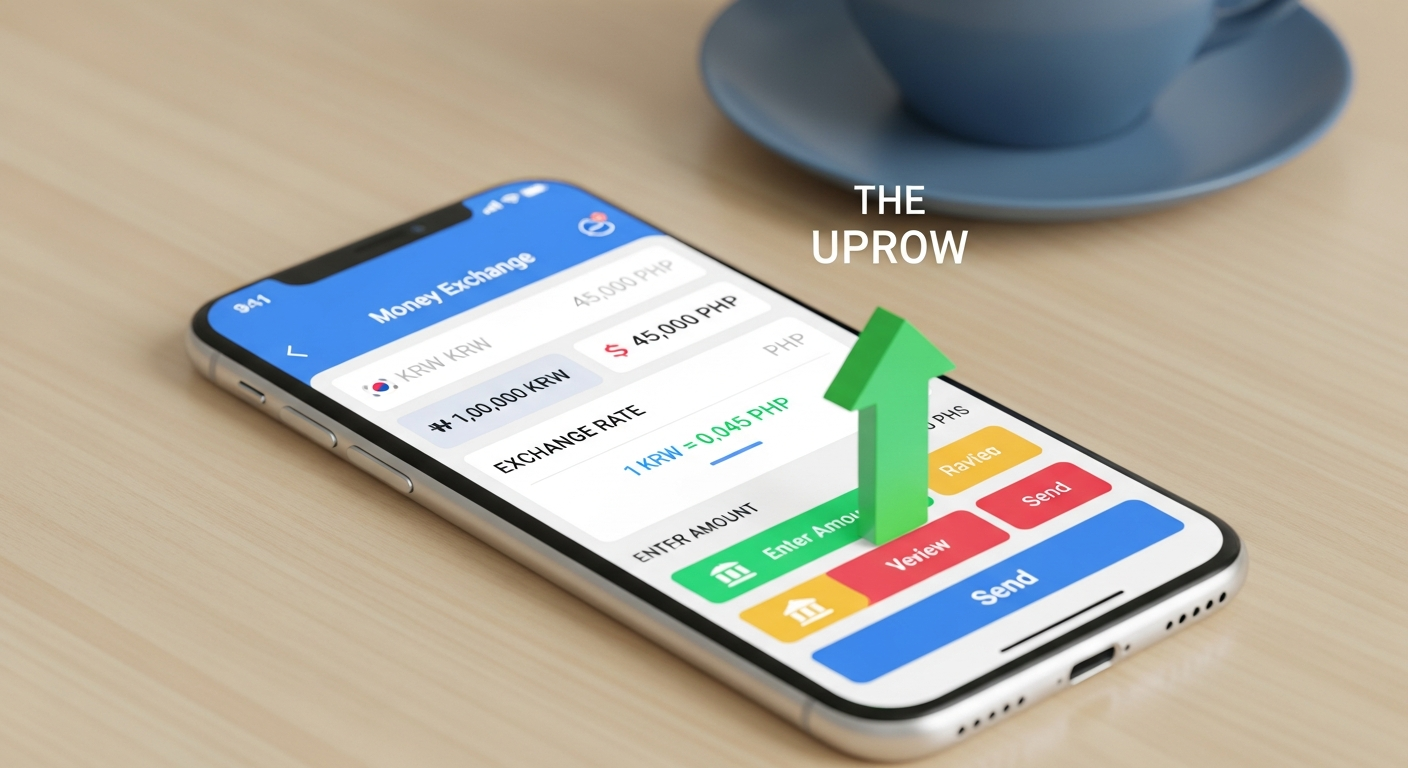
Philippines Workers: Weak Won Means 4,600 PHP LESS (What to Do)
The weak won at 1519 means Filipino workers' families receive 4,600 PHP LESS per ₩1,000,000 sent. Here's the real numbers and what to do before Christmas.
How I Save ₩150,000 Extra During Weak Won (Realistic E-9 Tips)
I'm an E-9 worker saving ₩150,000 extra during weak won. Here are realistic tips that work for factory workers—not office worker advice that doesn't apply to us.
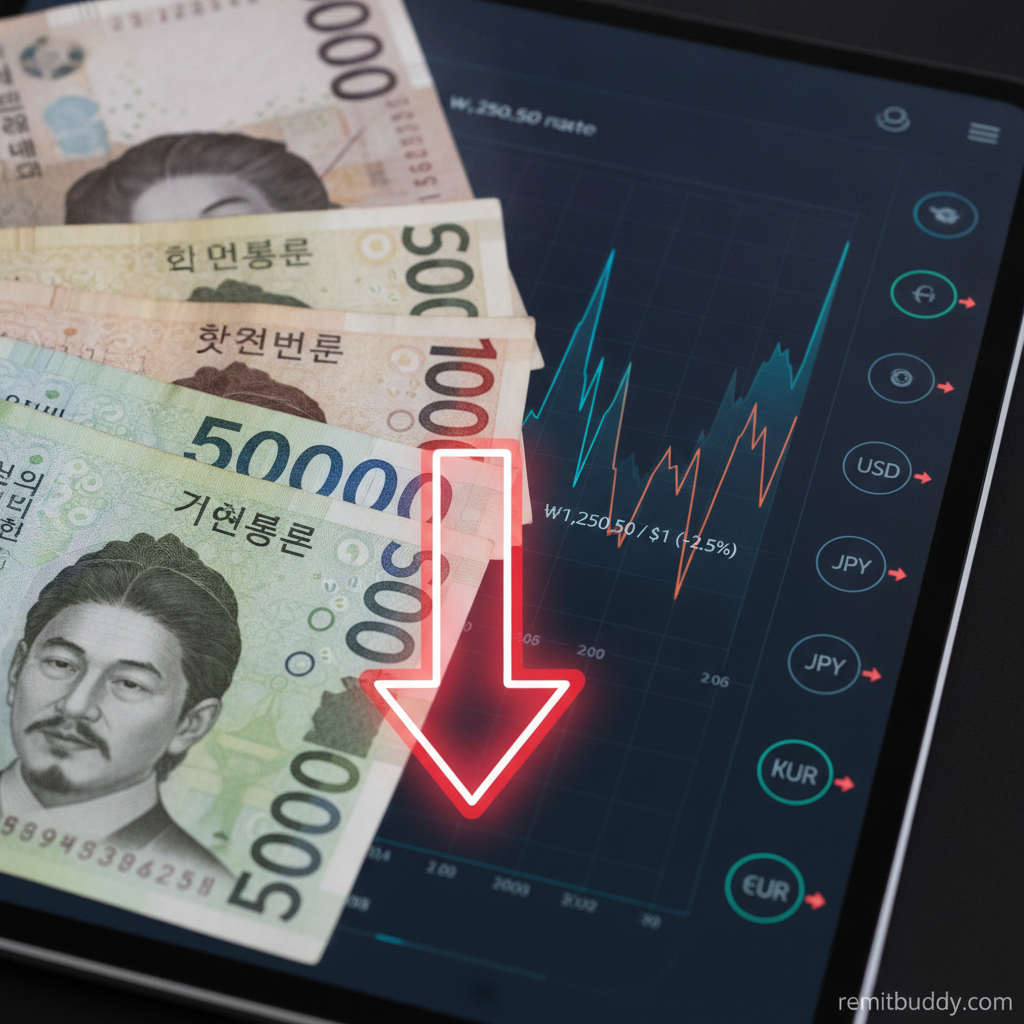
Send Money NOW or Wait? Simple Answer for E-9 Workers
The won is at 1519. Should you send money home now or wait? Here's the simple answer based on your situation—no complicated math needed.

Vietnam Workers: Weak Won Means 2 Million VND LESS (What to Do)
The weak won at 1519 means Vietnam workers' families receive 2 million VND LESS per ₩1,000,000 sent. See the real numbers and what you can do about it.

Cheapest Way to Send Money to Bangladesh from Korea 2026
Compare Bangladesh remittance services from Korea. See real fees for bKash, Nagad, bank transfers. Workers get 2.5% government incentive on all remittances plus competitive rates.

Cheapest Way to Send Money to Malaysia from Korea 2026
Find the cheapest way to send money to Malaysia from Korea. Compare fees for Maybank, CIMB, Public Bank transfers. Malaysian workers save RM 50-80 per transfer.
Cheapest Way to Send Money to Sri Lanka from Korea 2026
Compare Sri Lanka remittance services from Korea. See real fees for Commercial Bank, BOC, Sampath Bank transfers. Workers save $8-15 per transfer with our comparison.
Cheapest Way to Send Money to India from Korea (2026 Guide)
Find the cheapest way to send money to India from Korea. Compare 7 remittance services, fees, and INR exchange rates. Indian workers save $10-20 per transfer with our comparison.

Best Time to Send Money to Vietnam: Save ₩50,000 on Exchange Rates
Timing your Vietnam transfer right can save you ₩50,000 or more. Learn the best days, times, and months to send money for the best KRW to VND exchange rate.

Cheapest Way to Send Money to Vietnam: I Tested 5 Services (Real Results)
Which is the cheapest way to send money to Vietnam? I tested Hanpass, E9Pay, GME, and banks with real money. See exactly how much arrived and which service won.

How Much Does It Cost to Send $500 to Vietnam from Korea? (2026 Fees)
See the exact cost to send $500 to Vietnam from Korea. Compare fees, exchange rates, and total costs from 7 services. Most transfers cost $5-15 total. Banks charge $25-45.

Send Cash Salary to Vietnam: Legal Guide for Foreign Workers (2026)
Paid in cash and need to send money to Vietnam? This legal guide for foreign workers covers bank deposits, documentation, and the safest way to transfer your salary home.

Cheapest Way to Send Money to Vietnam from Korea (2026)
Compare 7 remittance services to send money from Korea to Vietnam. See real fees, exchange rates, and transfer times. Vietnamese workers save $15-20 per transfer with our comparison guide.

Send Money to Vietnam at Night: Which Apps Work 24/7?
It's 2 AM and you need to send money to Vietnam urgently. Which apps work at night? We tested them all. See which services operate 24/7 and how fast they deliver.

Send Money to Vietnam Without a Bank Account: 3 Working Methods
Your family in Vietnam doesn't have a bank account? No problem. Send money via MoMo wallet, cash pickup, or mobile top-up. 3 working methods with step-by-step instructions.

Vietnam Tet 2027: When to Send Money for Best Rates
Sending money home for Tet 2027? Don't wait until the last minute. Learn when to send for the best exchange rates and avoid the Tet premium that costs you money.

Why Your Vietnam Transfer Takes 3 Days (And How to Fix It)
Frustrated your Vietnam transfer takes 3 days? Learn why banks are slow and how to send money in 10-30 minutes instead. Simple fixes for common delay problems.

Send Money to eSewa Nepal: Complete Guide for Korean Workers
Compare eSewa transfer services from Korea. Find the cheapest fees and fastest delivery to Nepal wallets. Nepali workers save up to $15 per transfer.

Send Money to Vietnam: Bank vs MoMo vs Cash Pickup Compared
Compare bank transfer, MoMo wallet, and cash pickup for Vietnam remittance from Korea. Find the fastest, cheapest option for your transfer amount.

E-9 Visa Salary Calculator Korea: Overtime & Severance Pay 2026
Free E-9 visa salary calculator for Korea. Calculate your overtime pay (1.5x rate), severance pay, and real monthly income. Foreign workers earn ₩2-3 million monthly.

How to Send Emergency Money to Family Back Home in Under 1 Hour
Send emergency money from Korea in under 1 hour. Compare fastest services for Philippines, Vietnam, Nepal, Cambodia. Available 24/7 for urgent family needs.

Foreign Worker Tax Refund Korea: How to Get Money Back and Send It Home
Get your Korea tax refund as a foreign worker. Claim ₩500,000 to ₩2 million back. E-9, H-2, E-7 visa eligible. Step-by-step guide with required documents list.
Send Money to MoMo Vietnam from Korea: Complete Guide
Compare MoMo transfer services from Korea. Find the cheapest fees and fastest delivery to Vietnam wallets. Vietnamese workers save $10-20 per transfer.

Hanpass vs GME Remit vs E9Pay: 2026 Fee Comparison
Compare Hanpass, GME Remit, E9Pay fees and exchange rates side-by-side. See which service is cheapest for Nepal, Vietnam, Philippines, Cambodia. Save $10-20 per transfer.

Cheapest Way to Send Money to GCash from Korea (2026 Guide)
Find the cheapest way to send money to GCash from Korea. Compare 7 remittance services, fees, and exchange rates. Filipino workers save $10-15 per transfer.

Send Money to Cambodia from Korea: ABA Bank, Wing & Complete Guide 2026
Compare Cambodia remittance services from Korea. See real fees for ABA Bank, Wing Money, ACLEDA transfers. Workers save $8-12 per transfer with our comparison.

Indonesia Remittance Tax Exemption Guide - Save More in 2026
Indonesia's 2026 tax exemption means your family receives 100% of transfers under $1,000. No more 5-15% tax deductions. Learn how to maximize savings and choose the cheapest remittance service.

Real-time Remittance Guide: Send Money Fast to Vietnam 2026
Compare 8 Vietnam remittance services from Korea. Find the cheapest way to send money home in 2026. See real fees, exchange rates, and transfer times. Workers save $15-20 per transfer.

2026 Remittance Tax Incentive Guide for Foreign Workers
Korea's 2026 tax incentive gives foreign workers 10-15% income tax reduction for remittances. Save $3,600-$18,000 yearly. E-9, E-7, H-2 visa eligible. Step-by-step application guide.

Cheapest Way to Send Money from Korea to Nepal (2026 Guide)
Compare top remittance services for Nepal transfers from Korea. See real fees, exchange rates, and transfer times for eSewa, IME Pay, and bank deposits. Workers save $10-15 per transfer.